Local SEO
How to Improve Google Maps Rankings
Learn how to improve Google Maps rankings with proven strategies like optimizing your Google Business Profile, getting more reviews, and staying active.
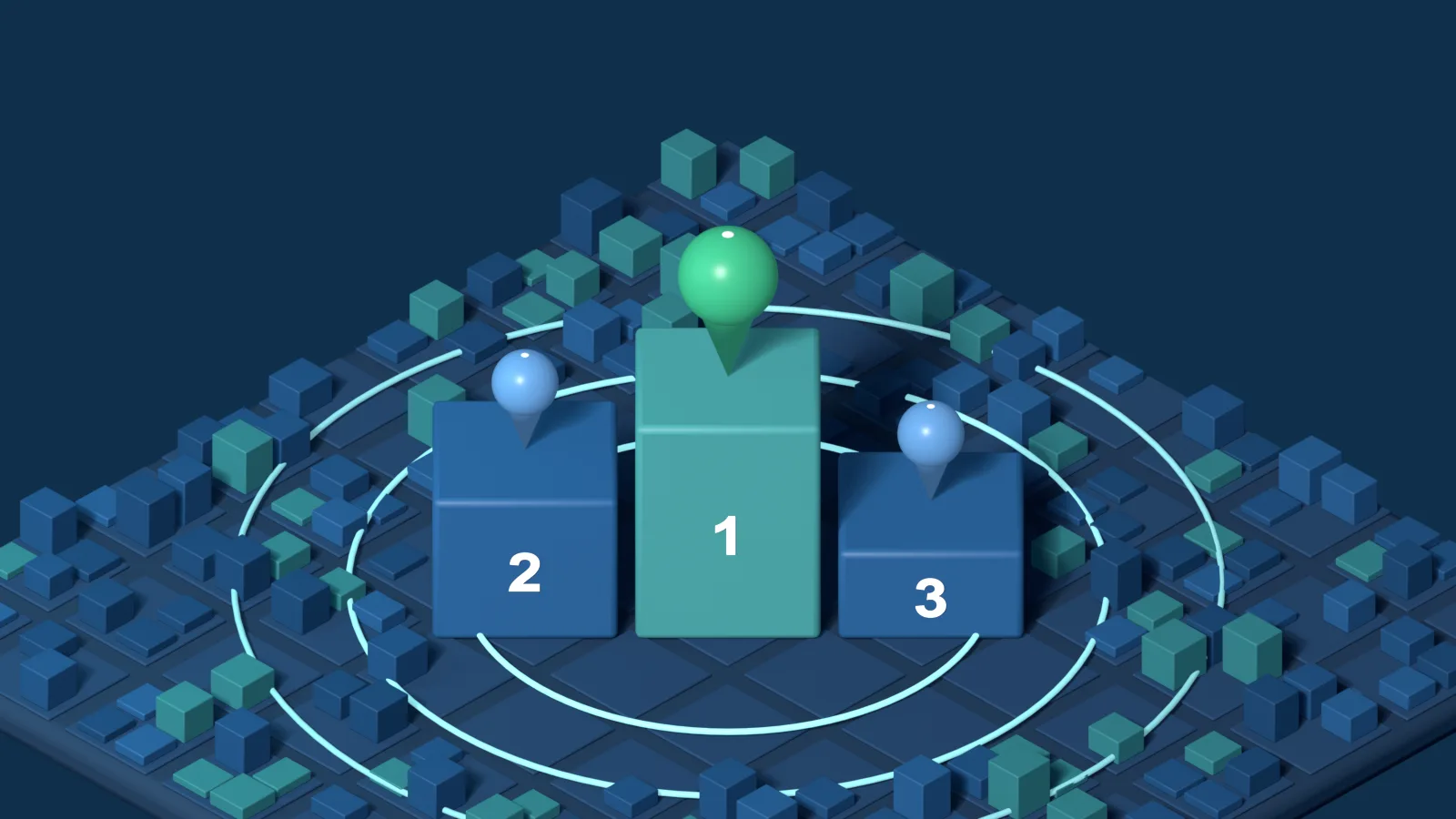
If you’re a local business, Google Maps is one of the most powerful tools available. When someone nearby searches for what you offer, showing up in top three (the “Local Pack”) can be the difference between a new customer and a missed opportunity. Learning how to improve Google Maps rankings isn’t rocket science, but it does take the right moves. Here’s exactly what works.
A Google Business Profile Is Your Secret Weapon
Your Google Business Profile (GBP) can be viewed as your digital storefront. Before a customer ever clicks your website, they see your GBP – your name, photos, hours, reviews, and more. If it’s incomplete or outdated, you’re already losing ground to competitors who took five minutes to fill theirs out properly.
A complete profile tells Google you’re a legitimate, active business, and that matters a lot for rankings. Fill out every single field, including business name, address, phone number, website, hours, and a solid business description. Don’t skip the attributes either. Things like “wheelchair accessible” or “free Wi-Fi” might seem minor, but they help Google match you to the right searches.
Picking the Right Primary Category Changes Everything
Your primary category is one of the most important ranking signals on your entire profile. It tells Google exactly what your business is and not just what it does. Get this wrong, and you could be invisible for your most valuable searches, even if everything else on your profile looks great.
The key is to choose the most specific category that accurately describes your core business. If you’re a plumber, don’t just select “Contractor” but instead pick “Plumber.” Google uses this to decide which searches you’re relevant for, so precision here pays off.
You can also add secondary categories for additional services you offer, but never let those dilute or contradict your primary one. A well-chosen primary category quietly does a lot of heavy lifting for your rankings every single day.
Consistent Business Info Gets You Found Faster
Your business name, address, and phone number, also known as NAP, need to match exactly everywhere they appear online. That means your website, social media profiles, directory listings, and anywhere else your business shows up. Even small differences, like “St.” versus “Street,” can confuse Google and quietly hurt your rankings.
Google cross-references your information across the web to verify you’re a real, trustworthy business. The more consistent your NAP is, the more confident Google feels about showing you in results. A good practice is to audit your listings regularly and fix any discrepancies you find. It’s a small task that makes a big difference over time.
Citations Build the Trust Google Is Looking For
A citation is any online mention of your business, such as name, address, and phone number, on another website. This includes platforms like Yelp, Yellow Pages, Bing Places, Apple Maps, and dozens of industry-specific directories. Each one acts like a vote of confidence that tells Google your business is established and credible.
The key for citations is quality and consistency. So, you should focus on getting listed in the most reputable and relevant directories first:
- Google Business Profile – the most important one, always,
- Yelp – high authority and widely trusted,
- Bing Places – often overlooked but still valuable,
- Apple Maps – essential for iPhone users,
- Facebook Business – adds social proof alongside citations,
- Industry-specific directories – think Houzz for contractors or Healthgrades for medical.
Finally, you shouldn’t just build citations and forget all about them later on. Check back periodically to make sure your information is still accurate, especially if you’ve moved locations or changed your phone number. Stale citations can do more harm than good.
Reviews Are the Fuel Your Rankings Run On
Reviews are one of the strongest ranking signals Google pays attention to. It’s all about getting them consistently, responding to them, and keeping that momentum going. A business with 200 reviews that stopped six months ago will lose ground to a competitor who’s pulling in fresh ones every week. When it comes to reviews, here’s what actually moves the needle:
- Volume – because more reviews signal popularity and trust to Google,
- Recency – fresh reviews show your business is active and relevant,
- Star rating – a higher average rating improves click-through rates,
- Keywords in reviews – when customers mention your services naturally, it reinforces relevance,
- Owner responses – replying to reviews shows Google and customers that you’re engaged,
- Response speed – the faster you respond, the better the signal you send.
Don’t wait for reviews to trickle in on their own. Ask satisfied customers directly, right after a job, at checkout, or in a follow-up message. Most happy customers are willing to leave a review. They just need a nudge and an easy way to do it.
How Reputation Management Tools Give You the Edge
Asking for reviews manually works, but it’s inconsistent. You get busy, your team forgets, and before long, weeks go by without a single new review. That’s where a smart reputation management tool changes the game entirely, because it handles the outreach automatically so you never miss an opportunity.
Local Optics’ Reputation Management solution takes the effort off your plate completely. It automatically sends emails and texts to your customers asking them to share their experience, with a direct link included, so leaving a review takes seconds.
But it doesn’t stop there. We also include review management, which means low ratings are quietly routed to private feedback instead of going straight to Google. That protects your reputation while still giving you valuable insight into what needs improving. Customers are 80% more likely to choose a business with more reviews, and this tool makes sure you’re always that business.

How to Improve Google Maps Rankings With Local Keywords
Keywords still matter, but stuffing them everywhere doesn’t. What works is placing them naturally in the right spots so Google clearly understands what you do and where you do it.
Start with your GBP description. This is where you can clearly and conversationally explain your services and location. For example, instead of forcing keywords, simply describe your work: “We provide drain cleaning and water heater installation in Chicago.”
Next, use keywords in your services section. Each service should include a short, clear description with relevant terms. This helps Google connect your profile to specific searches.
Don’t forget Google Posts. These are a great way to reinforce keywords over time while also showing activity. Posting updates like recent jobs, offers, or tips keeps your profile fresh and relevant.
Finally, your website should back everything up. Your service pages and location pages should include the same keywords you’re targeting on your GBP. When both align, it sends a strong signal to Google that your business is exactly what the searcher is looking for.
Photos and Jobsite Checkins Keep Your Profile Alive
An inactive profile looks abandoned. And Google notices.
Businesses that consistently upload photos and post updates tend to rank better because they show real-world activity. It signals that your business is open, engaged, and actively serving customers. Photos are one of the easiest wins:
- Before-and-after job shots,
- Team photos,
- Equipment and workspace,
- Completed projects.
These don’t need to be perfect. They just need to be real.
Then there are Jobsite Checkins. Instead of thinking about “Google Posts,” think about documenting the actual work you’re already doing. They may include completed recent jobs, special offers, quick tips or insights, and customer highlights.
Keep in mind that the goal isn’t perfection but consistency. Even one post per week keeps your profile active and sends positive signals to Google. This is exactly what Linda handles – we turn real jobsite photos into consistent, optimized posts without adding extra work to your day.
Your Website Still Plays a Big Role Here
Your Google Business Profile doesn’t exist in a vacuum – it’s your website that helps validate everything.
If your GBP says you offer a service, your website should clearly support that. And local landing pages are essential. Each service and location you target should have its own dedicated page. For example:
“Drain Cleaning in Chicago”
“Water Heater Installation in Naperville”
These pages reinforce your relevance for specific searches and help Google connect your business to those locations.
Then there’s structured data (schema). This is a behind-the-scenes setup that helps search engines understand your business details like services, location, and contact info. It’s not visible to users, but it strengthens your overall SEO foundation.
When your website and GBP are aligned, it creates a strong, consistent signal. And consistency is exactly what Google rewards.
Proximity, Relevance, and Prominence Explained Simply
Google Maps rankings come down to three core factors. Once you understand these, everything else starts to make sense. Most businesses focus only on one of these. The ones that win optimize all three together.
Core Factor 1 – Proximity
This is how close your business is to the person searching. You can’t control where the searcher is, but you can expand your visibility by building strong signals across your service areas.
Core Factor 2 – Relevance
This is how well your business matches the search. Your categories, services, keywords, and content all play a role here. The clearer you are about what you do, the better Google can match you to the right searches.
Core Factor 3 – Prominence
This is your reputation and authority. Reviews, citations, backlinks, and overall online presence all contribute. Businesses with stronger trust signals tend to rank higher.

A Suspended GBP Can Wipe Out Your Visibility Overnight
A Google Business Profile suspension is one of the most frustrating things a business can face. One day, you’re ranking, getting calls, and bringing in leads. Next, your listing disappears. No visibility. No traffic. No new customers.
And the worst part? Google doesn’t make the recovery process easy because their responses are slow, the process is unclear, and there’s no direct support contact. Suspensions can happen for a variety of reasons, such as inconsistent information, category changes, suspicious edits, or even things outside your control.
Local Optics Offers GBP Recovery Shield
If you’re having trouble with a suspension, you should act quickly. But if you’re unsure where to start, Local Optics’ GBP Recovery Shield can make a huge difference. Instead of navigating the process alone, our team handles everything for you and gets your profile reinstated fast, usually in less than 10 business days. That means:
- Your visibility is restored quickly
- You avoid losing weeks (or months) of leads
- You get back to business without the stress
When your entire local presence depends on your GBP, having a safety net like this isn’t optional. It’s essential.
Quick Comparison – DIY vs. Local Optics
The table below shows how managing everything yourself stacks up against using a system like Local Optics.
| Factor | DIY Approach | Local Optics |
|---|---|---|
| Effort | High – manual updates, follow-ups, and tracking | Low – automation handles the heavy lifting |
| Speed | Slow and inconsistent | Fast and consistent results |
| Reviews | Sporadic, easy to forget | Automated and continuous flow |
| GBP Recovery | Confusing and time-consuming | Handled for you, reinstated within ~10 days |
| Consistency | Hard to maintain long-term | Built-in systems ensure consistency |
| Results | Unpredictable | Scalable and reliable growth |
Turn Your Google Maps Presence Into a Growth Engine
Improving your Google Maps rankings is never simply about one element done right. It’s about doing the right things consistently, like optimizing your profile, building reviews, staying active, and reinforcing everything with your website.
That’s where most businesses struggle. Not because it’s complicated, but because it’s hard to stay consistent.
Local Optics solves that. From review management to fast GBP recovery and ongoing optimization, it gives you the systems you need to stay visible and competitive. If you’re ready to stop guessing and start growing, now’s the time to take action. Reach out, book a demo, and start turning your Google Maps presence into real, predictable results.