Local SEO
How Proximity Affects Local Rankings
Learn how proximity affects local rankings, why it matters in Google Maps, and what businesses can do to improve visibility beyond their location.
Ever searched “near me” and noticed how the closest options always show up first? That’s no accident. It comes down to distance and understanding how proximity affects local rankings, meaning how close your business is to the person searching at that exact moment.
In local SEO, this factor plays a major role in what appears on Google Maps and in the local pack results. Even strong businesses can lose visibility if they’re farther away. Understanding how proximity works helps you see why rankings shift and what you can do about it.
How Proximity Affects Local Rankings As a Core Ranking Factor
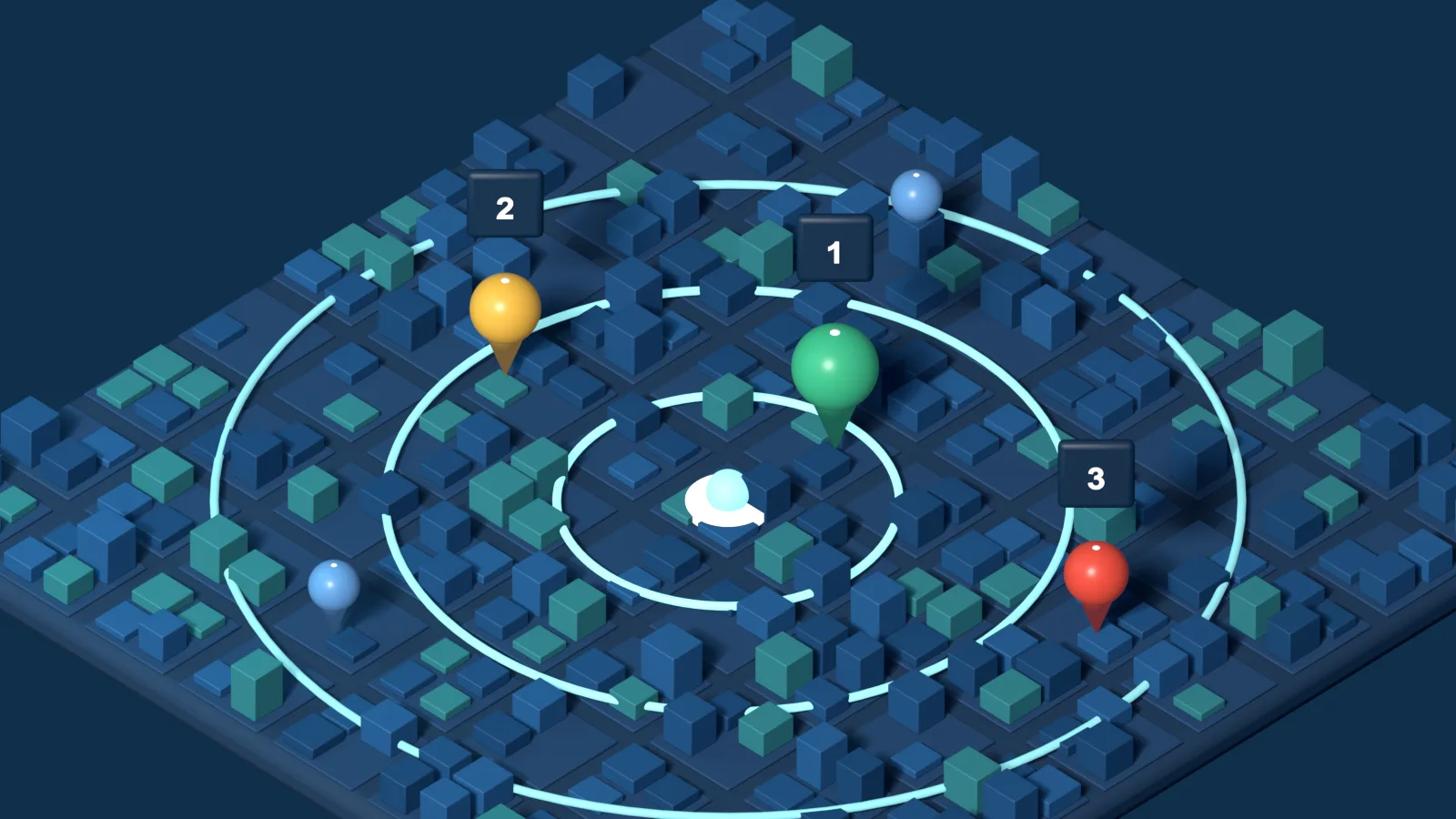
Not sure what proximity in local SEO is? It’s pretty simple, really – it’s the distance between your business and the person searching. When someone looks for a service, Google checks where they are and compares it to nearby businesses. The closer you are, the better your chances of showing up. This is why two people in different parts of the same city can see completely different results for the exact same search.
Google uses proximity as a key signal to decide what shows up first, especially on Google Maps. It’s part of the “big three” ranking factors: proximity, relevance, and prominence. Relevance is how well your business matches the search, and prominence is how trusted and well-known you are. But in many cases, proximity wins. Even if your business has better reviews or stronger SEO, a closer competitor can still outrank you just because they’re nearby.
Your Location Shapes Your Visibility Zone
Your rankings aren’t fixed. They change based on where the search is happening. When someone searches on Google Maps, Google uses their exact location to decide what to show. That means your business might rank in the top three for one person, but not even appear for someone just a few miles away. Local SEO is dynamic, and your visibility depends heavily on where your audience is searching from.
In essence, the closer someone is to your location, the more likely you are to show up. As the distance grows, your visibility starts to drop. This doesn’t happen gradually all the time – it can fall off quickly. That’s why two users in different parts of the same city can get completely different results for the same search, even at the same time.
What Really Drives Local Visibility
Not all ranking factors work the same way. Some you can control directly, while others depend on where your customer is searching from. Understanding the difference helps you focus your effort where it actually moves the needle. Our table compares the key local SEO signals and how much control you really have over them.
| Factor | What it means | Control level |
|---|---|---|
| Proximity | How close you are to the searcher | No control |
| Relevance | How well your business matches the search | High control |
| Prominence | Your trust, authority, and reputation | High control |
| Engagement | Calls, clicks, and interactions | High control |
| Reviews | Customer feedback and ratings | High control |
Rankings Drop Faster Than You Think
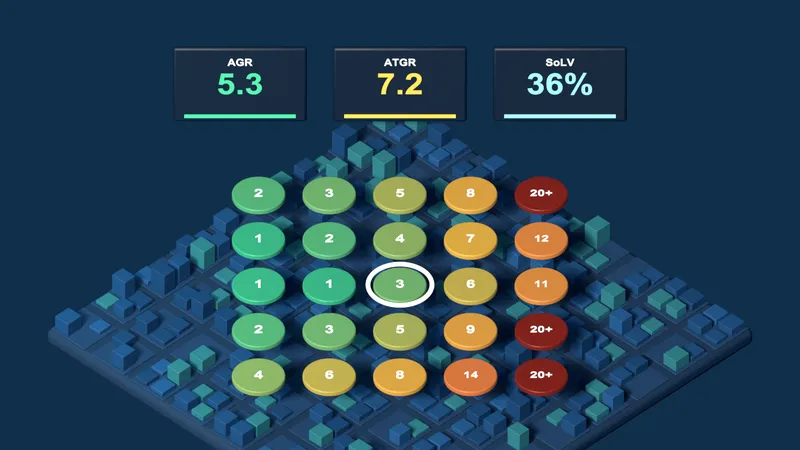
Let’s deep dive into something most businesses don’t expect. As mentioned, rankings don’t slowly fade as you move away from your location, and instead, they can drop fast. This is often called the “proximity drop-off” effect. In many cases, once you get about a mile away from your business, your visibility can start to dip. Go a little farther, and you might disappear from the local results entirely, even if your SEO is strong.
What makes this tricky is how unpredictable it can be. In dense cities, that drop-off can happen even more quickly because there are more competitors nearby. In smaller towns, your visibility might stretch a bit farther.
It also depends on your industry, because some services have tighter competition zones than others. That’s why local rankings can feel inconsistent. One day, you’re showing up strong, and the next, in a nearby area, you’re nowhere to be found.
Mobile Search Makes Proximity Even Stronger
Mobile search takes proximity to another level. When someone searches on their phone, Google uses real-time GPS data to pinpoint their exact location. That means results on Google Maps are even more precise. Instead of showing general nearby options, Google focuses on what’s closest right now, down to the street level.
This is why “near me” searches are so powerful. They come with instant intent, and behind these queries are people ready to call, visit, or book. And because most of these searches happen on the go, proximity becomes even more important than on a desktop. Someone looking for a service while driving or walking will almost always choose a business that’s closest. It’s all about convenience in the moment, and Google is built to deliver exactly that.
You Can Work Around Proximity
The reality is that you can’t control proximity. Your physical location is fixed, and you can’t magically move your business closer to every potential customer. Google will always factor in distance, and that part is out of your hands. But that doesn’t mean you’re stuck or at a disadvantage everywhere outside your immediate area.
What you can do is optimize around those limits. This is where relevance and prominence really start to matter. If your business clearly matches what people are searching for and has strong trust signals, you can still show up beyond your core area. Things like a well-optimized Google Business Profile, consistent reviews, and strong local content all help. The goal is simple, and it’s to make your business so relevant and trustworthy that Google has a reason to show you, even when you’re not the closest option.
Strong Local Signals Can Expand Your Reach
Even though proximity is powerful, it’s not the only thing that matters. Strong local signals can help your business show up outside your immediate area. When Google sees consistent activity, positive feedback, and clear relevance, it starts to trust your business more. That trust can push you into results where you normally wouldn’t appear based on distance alone.
Businesses that invest in building authority often see this in action. They don’t just rely on location, but give Google solid reasons to rank them. Over time, this helps expand their visibility zone. If you want to compete beyond your core radius, here are the signals that make the biggest difference:
- Reviews and ratings that show real customer experiences,
- An optimized Google Business Profile with complete and accurate details,
- Local content and keywords that match what people are searching for,
- Backlinks and citations that build credibility across the web,
- Engagement signals like clicks, calls, and direction requests.
When these signals work together, they create a strong, consistent presence. That consistency builds trust, and trust is what helps you rank even when you’re not the closest option.
Service Area Businesses Play by Different Rules
What does it mean to have a service area business? SABs, or Service Area Businesses, don’t have a storefront that customers can visit, and that fact changes how they show up in local search. Instead of displaying a public address, they rely on a defined service area in their Google Business Profile.
Google still needs a reference point, though. So even if the address is hidden, it uses the business’s registered location behind the scenes to determine proximity.
This is where something called centroid-based ranking matters. Google often uses the center point of a city or area as a baseline when deciding what to show. If your business is farther from that center, your visibility can be limited, even if you serve the entire region. That’s why simply adding more cities to your service area doesn’t guarantee better reach. There are still boundaries.
Why Proximity Sometimes Creates Unfair Competition
Proximity can feel a bit unfair in real-world local search. Sometimes, a weaker business with fewer reviews, a basic online presence, or even outdated information can still outrank a stronger competitor. The reason behind it is simple – they’re closer to the person searching. In those moments, distance outweighs quality, even if the other business offers a better overall experience.
Google’s main goal is convenience. It wants to give users the fastest, easiest option available right now. That usually means showing the closest businesses first on Google Maps, even if they’re not the most impressive ones. For business owners outside busy city centers, this can be frustrating. You might be doing everything right, but still struggle to appear in searches happening just a few miles closer to your competitors. It’s a common challenge in local SEO, and it’s one many businesses run into without realizing why it happens.

How Local Optics Helps You Win Beyond Proximity
This is where strategy starts to matter more than distance. Local Optics was built to help businesses grow visibility even when they’re not the closest option on the map. Instead of relying only on location signals, we focus on turning your real-world activity into proof that Google can understand and trust. That includes completed jobs, customer interactions, and consistent business activity.
What makes this approach powerful is how it transforms everyday work into ranking strength. When your real job data is consistently captured and shared through structured content, it builds authority over time.
Automation makes this easy, so your team isn’t stuck doing extra marketing work. At the same time, transparency ensures everything reflects what you actually do, not inflated claims. This creates a stronger, more trustworthy online presence than traditional SEO alone, which often focuses only on keywords and backlinks.
Real-World Visibility Comes From Real-World Proof
At the end of the day, local visibility is built on proof. Not just what you say about your business, but what you actually do. Jobsite check-ins, completed work, and real customer interactions all send strong signals that your business is active and trustworthy. These are the kinds of signals that help search engines feel confident about showing you to more people.
Google increasingly rewards real activity and engagement. When it sees consistent updates tied to real work, it starts to understand that your business is actually operating in the real world. That kind of consistency builds trust over time, which can support stronger rankings even when proximity isn’t in your favor. This is exactly where the Local Optics approach fits in. Here’s what real-world proof can look like in practice:
- Jobsite check-ins that confirm active service in different areas,
- Real photos and updates from completed work,
- Customer interactions that show ongoing engagement,
- Consistent business activity tied to real locations,
- Verified service history that builds long-term trust.
When all of this comes together, it reinforces authenticity. And in local SEO, authenticity is what helps you stand out, even when you’re not the closest option on the map.
We Can Help You Conquer Local Visibility
It’s true that proximity plays a big role in local rankings, but it’s not the whole story. Being close to a searcher can give a quick advantage, but it doesn’t guarantee long-term visibility or stronger results. What really matters is how well your business builds trust, relevance, and authority over time.
The good news is that distance isn’t something you have to rely on. With the right strategy, you can absolutely improve visibility beyond your immediate area. When your business consistently shows real activity, strong engagement, and clear proof of work, you give Google more reasons to rank you higher, even when you’re not the closest option.That’s where Local Optics can help. We help turn your real-world work into visible authority that supports stronger local rankings and lasting growth. If you’re ready to move beyond proximity limits and build real visibility that reflects the quality of your business, reach out to Local Optics today to book a consultation.